
In the realm of today’s fashion industry, sustainability is not merely a trend – it is a major shift in the way we approach clothing and textiles as a whole. And as the spotlight moves gradually on eco-friendliness, sustainable textile certifications have become a must. Certifications that serve as a marker of fashion brands’ commitment to preserving the environment. A guide for environmentally conscious consumers who are looking for ethical options.
However, the path to truly genuine sustainability requires more than simply obtaining a certification. It encompasses a deeper dive into the activities behind such labels. A dive that challenges the approach of today’s fashion industry towards environmental supervision.
This blog post aims to decode the complexities surrounding sustainable textile certifications. The article emphasizes their importance and stresses the necessity for a better holistic approach to sustainability. In the process of this exploration, we stress the importance of thorough validation of those certifications, championed by true industry leaders such as Deepwear.
The True Essence of Sustainability Certifications
Over the past decades, sustainability certifications for businesses have started to serve as key indicators of a company’s commitment to environmentally friendly practices. But what is a sustainability certification anyway? The sustainability certification covers several aspects, ranging from responsible material sourcing to ethical product manufacturing. However, as the consumer demand for eco-friendly products rises, so does the temptation for some businesses to misuse those certifications, urging for a more adamant approach towards sustainability.

Exploring Fabric Certifications
Fabric certifications have a fundamental role in the realm of sustainable fashion. They serve as an indicator of ethical material sourcing and as promoters of environmental responsibility. For instance, specific certifications such as the Global Organic Textile Standard (GOTS) or OEKO-TEX set the bar high. However, due to the complexities of the fashion supply chains and the various nuances of certification criteria, these labels can at times present an incomplete sustainability picture.
Examining Sustainability Certifications for Companies
Even though beneficial, sustainability certifications for companies are not infallible. In the fashion world where certifications have a commercial drive, the commitment and authenticity they present may be variable. This is where the insight, expertise, and know-how of fashion agencies like Deepwear step in. Deepwear’s approach in that regard utilizes a thorough examination of fashion manufacturing practices, making sure that a brand’s sustainability claims are not just eyewash.
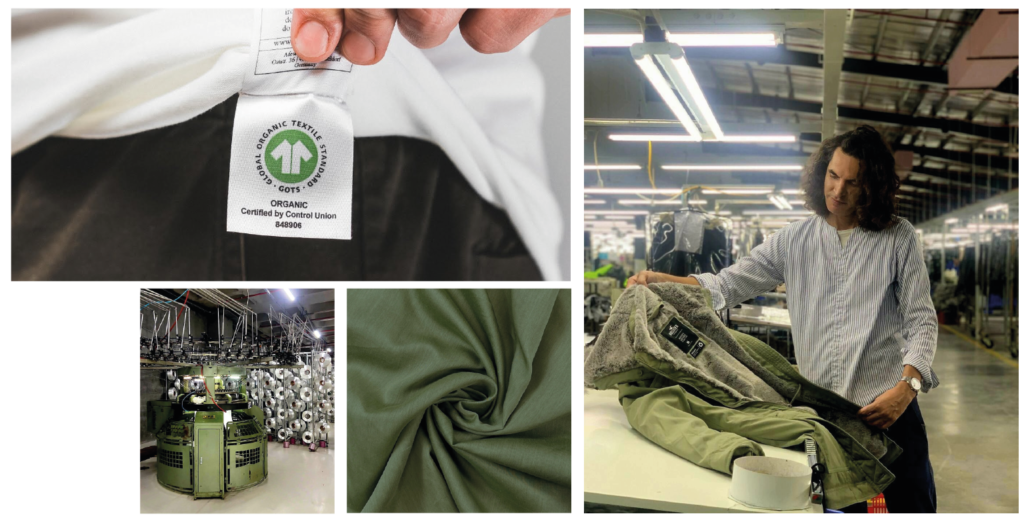
A Critical Approach to Sustainable Fashion Certifications
Sustainable fashion certifications, like GOTS and GRS (Global Recycle Standard), are invaluable tools when it comes to assessing a company’s environmental footprint. Having said that, sophisticated brands and clients are realizing that those certifications are more of starting points, rather than endpoints. In other words, the intricate nature of certifications requires a deeper understanding of what they truly stand for.
Recognizing the Best Sustainability Certifications
Recognizing the best sustainability certifications is a duty that requires careful consideration. Having said that, each certification, being it for sustainably sourced materials or ethical production practices, represents a specific eco-friendly aspect. However, it can only go so far. The true test of a business’s commitment to sustainability usually lies in its willingness to allow for an independent evaluation of its activities.
The Reality of Sustainably Grown Certification
The sustainably grown certification represents a major step towards environmental preservation. It is there to ensure that raw materials are cultivated ethically, thus minimizing the environmental impact. Unfortunately, the certification process may at times overlook the big picture of sustainability. Think of the social conditions under which materials are grown or the carbon footprint related to their transportation.
Making Sense of Sustainable Product Certification
Sustainable product certification covers the whole lifecycle of a given product. It scrutinizes the environmental footprint from sourcing the materials, through production to the eventual disposal of this product. While these certifications are conclusive, they may lack the on-the-ground insights that could only be obtained through adamant inspection of manufacturing processes.
Ethical Labels: Textile Sustainability Certifications
As the name implies, textile sustainability certifications cater to the fashion industry, with a focus on the social and environmental impact of textile manufacturing. However, while those certifications are paramount, they are not exhaustive. This is why thorough examinations, such as the ones conducted by Deepwear, are integral to ensuring that brands adhere to not just the letters, but also to the soul of those certifications.
Environmental Certifications for a Bigger Impact
Environmental certifications for businesses serve as guiding stars to sustainable practices across industries of all kinds. These certifications encompass a broad scope, focusing on energy usage, waste handling, and carbon footprint. Nevertheless, the real effectiveness of such practices is best evaluated via rigorous assessments and not merely via certifications alone.
The Real Value of Sustainability Certification
Sustainability certifications serve as a mark of adherence to specific industry standards. Unfortunately, as these certifications become more commercialized, their real value may be diluted. For that very reason, the role of fashion agencies like Deepwear is truly indispensable. With over 30 years of experience within the fashion sector, Deepwear boasts the expertise needed to discern the authenticity of such certifications.
Deepwear’s Approach to Authenticating Sustainability
Deepwear’s approach to authenticating sustainability goes well beyond certification labels. Having amassed plenty of experience in the fashion industry, Deepwear knows better than anyone the importance of adamant verification when it comes to factory practices. Its specialists recognize that even though certifications represent a great starting point, the real essence of eco-friendliness lies in the inspections and direct contact with the supply chain.
By visiting factories in person and scrutinizing their operation processes, Deepwear ensures that its partners not only claim to have adopted but practice genuine sustainability. The hands-on approach in this regard guarantees that companies live up to the eco-friendly standards and certifications they uphold. This way sustainability in fashion evolves from just a label to a reality.
Final words
As the fashion world keeps on evolving, the need for sustainable business practices becomes essential. While sustainable textile certifications are paramount in this regard, they represent just the starting point of a much bigger narrative. True fashion sustainability involves a sophisticated approach that goes well beyond certifications. An approach that includes in-depth evaluations and physical verifications.
Fashion agencies like Deepwear play an integral role in this process. With extensive experience and full commitment to sustainability, Deepwear serves as an example for the sector. The company does not simply rely on certifications but actively makes sure that its practices are as eco-friendly as claim to be. As we take a glance into the fashion future, it is clear that the road to true sustainability goes via a combination of certification, vigilance, and action. A road that Deepwear navigates with immense expertise and high integrity.